







Search Results for: Lake Titicaca
A South American Pour-Over Coffee Choice: Flavor and Roast Analysis of Bolivian High-Altitude Typica
In the coffee landscape of South America, Bolivia occupies a unique position thanks to its high-altitude tropical rainforests and excellent varieties. This article focuses on the cultivation history, terroir, and flavor characteristics of Bolivian coffee, offering a detailed interpretation of the washed Typica from smallholder farmers in Copacabana, in the Lake Titicaca region—from 3,812 meters above sea level to a medium roast, analyzing its roasted nut and dried almond aromas alongside orange and white pomelo notes. It also brings Front Street Coffee's bean selection and brewing suggestions, providing a professional reference for pour-over enthusiasts. [more…]
The Origins of Coffee Cultivation in Colombia and Variety Flavors: From Colonial Legends by Lake Titicaca to Specialty Cupping
Colombia is the world's second-largest coffee producer and the largest exporter of Arabica and washed coffee beans. Its coffee-growing history can be traced back to the 16th-century Spanish colonial period, with various accounts circulating of its arrival by sea, introduction by priests, and documentation by missionaries. This article traces the spread of coffee in Colombia, its botanical characteristics, and variety classification, analyzes the reasons behind its silky, balanced flavor, and includes Front Street Coffee's recommendations and tasting references, making it suitable for coffee enthusiasts who want to understand the complete picture of this "green gold." [more…]
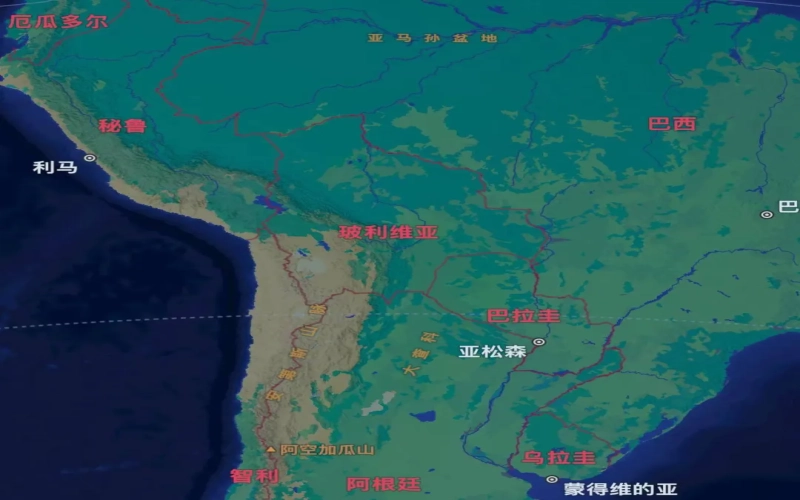
An In-Depth Analysis of Bolivian Coffee Origins: The Yungas Region, Major Cultivated Varieties, and the Java Character
Among the many coffee-producing countries in South America, Bolivia, though landlocked, has cultivated remarkably high-quality coffee thanks to its unique geography and climate. Its coffee cultivation is highly concentrated in the Yungas region, which accounts for more than ninety percent of the country's output. The growing areas include Yungas, Copacabana, and Caravina in La Paz, each with distinctive flavors. In terms of varieties, besides Typica and Caturra, a standout Java variety is also grown, known for its strong disease resistance and outstanding flavor. Front Street Coffee will take you into Bolivia to explore the full picture of the country's coffee industry. [more…]
A Complete Guide to Bolivia's Coffee Regions: From Yungas Terroir to Java Variety and the Tomorrow's Sun Project
As a landlocked country in South America, Bolivia produces only a small amount of coffee, yet its extremely high altitudes and unique microclimates give rise to specialty beans. This article walks you through the historical origins of Bolivian coffee, the flavor differences between its main producing regions of Yungas and Caranavi, the story of how the local distinctive variety Java spread, and an in-depth analysis of how the "Tomorrow's Sun Project" launched by the Rodriguez family saved the specialty coffee industry. Front Street Coffee also shares the roasting and brewing parameters for the Waliki Estate Coco Natural Java, along with its cupping profile of a slight fermented note interwoven with grape and floral aromas. [more…]
The Origin of Sumatra Coffee's Nicknames: A Detailed Explanation of Mandheling from the Dual Producing Regions of Lake Toba and Lake Tawar
Mandheling coffee, also known as "Sumatra coffee," is one of the most highly recognizable presences in the coffee world. Its core production areas are concentrated around Lake Toba in northern Sumatra and Lake Tawar in Aceh, hence the saying "two lakes, two Mandhelings." Front Street Mandheling, with its sweet-bitter throat-soothing richness and bold, undisguised flavor, has become the introductory first choice for countless enthusiasts; while Front Street PWN Golden Mandheling, through multiple rounds of hand sorting and machine sorting, is even better in body and cleanliness. This article will guide you through the naming origins of Mandheling, the geographical background of the Lake Toba production area, and the cultivation history of the Typica variety in the mountainous areas around Lake Toba, while also retaining an objective description of the Front Street series products, providing a reference for your coffee exploration. [more…]
Sumatra Takengon Mandheling G1 Specialty Coffee: Flavor Characteristics and Interpretation of the Differences Between the Two Lakes Regions
Sumatran Arabica coffee is collectively known as Mandheling, but the flavor differences between its two major lake regions—Lake Toba and Lake Tawar—are worth exploring in depth. Lake Toba has a low, muted aroma, even carrying notes of grass jelly, while Lake Tawar displays brighter fruit acidity along with flavors reminiscent of incense cedar and wood. The two are separated by more than three hundred kilometers, and their cultivation histories differ by at least thirty-six years. This article focuses on the Takengon Mandheling G1 produced in the Gayo highlands by Lake Tawar, tracing its full journey from introduction during the colonial period to its unique wet-hulling process, and analyzing why this bean presents a complex flavor profile of caramel, spice, pine, and dark chocolate. It also introduces the product characteristics and suitable brewing methods of Front Street Mandheling G1 and Front Street PWN Golden Mandheling, providing coffee enthusiasts with a reference for purchasing and tasting. [more…]
A Deep Dive into Indonesia's Sumatra Aceh Lake Tawar Region: Front Street Mandheling G1 Flavor and Specialty Coffee Geographical Analysis
Sumatra Mandheling is a classic that coffee enthusiasts cannot avoid, but the "Two Lakes, Two Mandhelings" often causes confusion. This article starts with the regional differences between Lake Toba and Lake Tawar, analyzes the cultivation history, unique wet-hulling process, and flavor characteristics of Aceh Gayo highlands Lake Tawar Mandheling, and focuses on introducing the grades and brewing performance of Front Street Mandheling G1 and Front Street PWN Golden Mandheling. By sorting out the origins, processing methods, and flavor context, it helps readers more clearly understand the complex landscape of Sumatran specialty coffee and the charm of Mandheling. [more…]
How to drink Aceh Medan coffee? A full analysis of Sumatra Mandheling flavor and the wet-hulling method
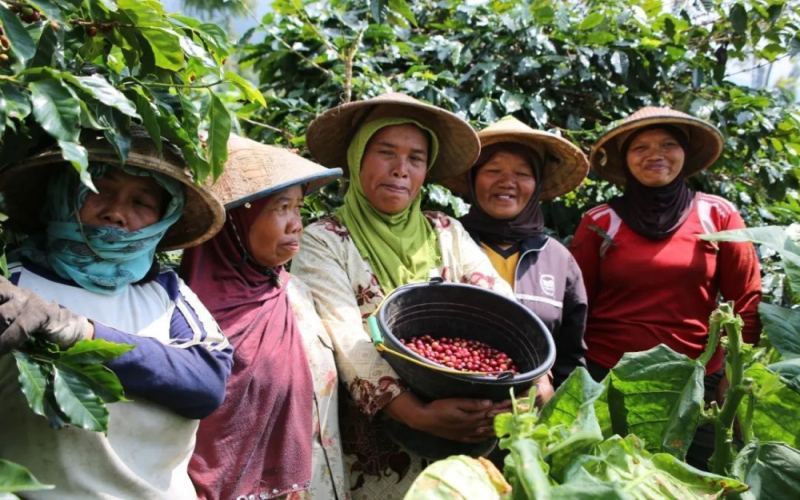
Indonesia's Sumatra Mandheling coffee is one of the representatives of Asian coffee, and the Aceh producing region along with Lake Toba and Lake Tawar around Medan are the core areas. This article begins with the origin of the name Mandheling, Indonesia's coffee-growing environment, and the differences between producing regions such as Mount Gayo in Aceh and Lintong, then takes a deep dive into how Sumatra's unique wet-hulling process shapes a coffee flavor that is full-bodied, low in acidity, and carries spicy, herbal notes. It also includes the flavor characteristics of Front Street Lintong Mandheling and Golden Mandheling, along with KONO dripper brewing parameters, to give you a complete understanding of Aceh coffee's taste and how to drink it. [more…]
A Complete Guide to Lintong Mandheling Coffee: Origin, Processing, and Brewing Flavors of Sumatra's Classic Black Coffee
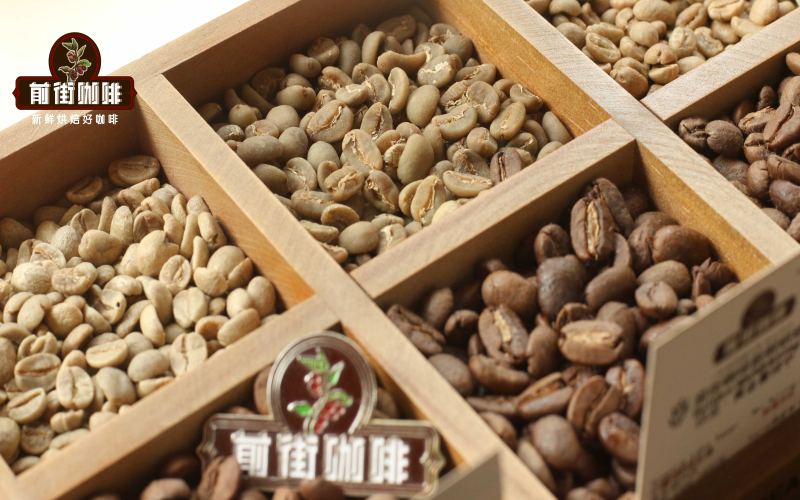
Lintong Mandheling is one of the most iconic classic coffees from the Sumatra region of Indonesia, renowned for its rich, full-bodied, low-acid, non-astringent mouthfeel and its distinctive herbal, woody aroma. This article provides a comprehensive overview of this classic black coffee's origin background and tasting highlights—from the origin of the Mandheling name, Indonesia's G1 to G6 grading system, and the two core producing regions of Lake Toba and Lake Tawar, to the steps of the wet-hulling process, the green bean characteristics and medium-dark roast flavor profile of Front Street Lintong Mandheling, and the pour-over parameters and extraction performance at different roast levels. It is suitable for coffee enthusiasts who wish to gain a deeper understanding of Indonesian Mandheling. [more…]
Indonesian Sumatra Mandheling Coffee: A Comprehensive Analysis of Flavor Characteristics, Growing Regions, and the Wet-Hulling Processing Method
Mandheling coffee can be considered the classic representative of Asian Indonesian coffee, but it is not the name of a producing region; rather, it comes from the transliteration of a tribal name in northwestern Sumatra. From the chance encounter involving Japanese soldiers during World War II, to the planting history of Arabica seedlings introduced by Dutch colonists, and then to Sumatra's unique wet-hulling process, Mandheling coffee is renowned worldwide for its unique style: full-bodied and intense, low in acidity, with herbal spice and earthy notes. This article systematically sorts out the growing environment for Indonesian coffee, the terroir differences among Sumatra's main producing regions (Lake Toba, Lake Tawar, Lintong, and Mount Gayo in Aceh), deeply analyzes the technical principles of the wet-hulling process and the reasons behind its flavor, and introduces Front Street Coffee's roasting and brewing parameters and flavor performance for Lintong Mandheling and Golden Mandheling, providing coffee lovers with a complete knowledge map of Indonesian Mandheling. [more…]
A Complete Guide to Sumatra Lintong Mandheling Coffee: From Historical Origins to Wet-Hulling and Brewing
Mandheling coffee is the most iconic Arabica coffee of Sumatra, Indonesia, renowned worldwide for its full-bodied richness, low acidity, and herbal spice aroma. This article begins with the historical origins of the name Mandheling, systematically reviews the growing environment of Sumatran coffee and its main producing regions—Lintong, Lake Toba, Lake Tawar, and Mount Gayo in Aceh—and explains in detail how Indonesia's unique wet-hulling process shapes Mandheling's distinctive flavor. The article also introduces two products, Front Street Lintong Mandheling and Front Street Golden Mandheling, along with specific brewing parameters for segmented extraction using the Kono dripper and flavor descriptions, offering coffee enthusiasts a complete understanding from origin to cup. [more…]
Exploring the Aceh Gayo Region of Sumatra: A Complete Analysis of Indonesian Mandheling Coffee History and Wet-Hulled Flavor
Mandheling is synonymous with Indonesian Sumatra Arabica coffee. Its name originates from a misreading of the Mandailing people, and behind it lies an amusing tale from World War II. From the Dutch colonists introducing Typica, to the rust disease destroying estates and prompting a switch to Robusta, and then to the Gayo Highlands in Aceh province and the Lake Toba and Lintong growing regions of North Sumatra each developing their own distinctive flavors, Indonesian coffee has traveled a winding and fascinating path. This article will trace the historical thread of Sumatra coffee, explain in detail how the wet-hulling process shaped Mandheling's signature full body and herbal spice notes, and include Front Street Coffee's flavor descriptions and brewing parameters for Lintong Mandheling and Golden Mandheling, giving you a complete understanding of this representative Asian coffee. [more…]
Analysis of Flavor Characteristics of Mandheling Coffee from Different Producing Regions: A Guide to PWN Golden Mandheling Prices and Grade Differentiation
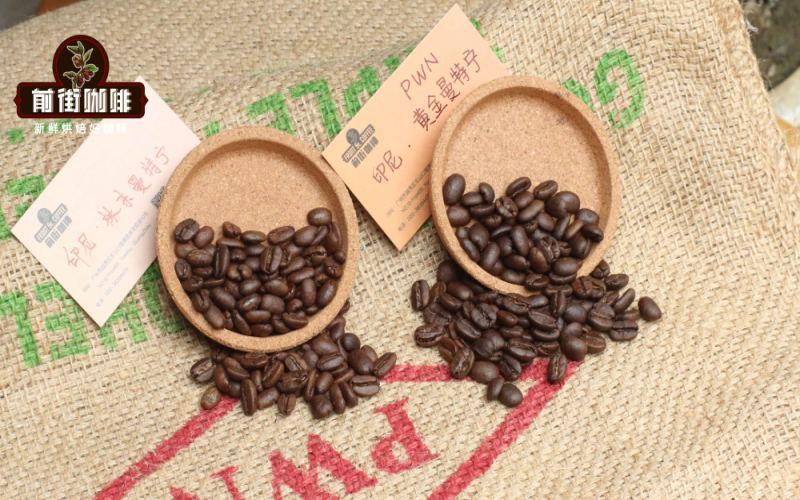
Mandheling is a name that coffee enthusiasts cannot avoid, but do you know the flavor differences between the Lake Toba and Lake Tawar growing regions? What does the G1 to G6 grading system actually mean? This article starts from the terroir of the origins and breaks down layer by layer the real differences between regular Mandheling, G1, PWN Golden Mandheling, and Top Golden Mandheling, while also bringing you the flavor descriptions and brewing suggestions for Front Street Coffee Tiger Mandheling and Aged Mandheling. Whether you are a beginner just getting started or a seasoned connoisseur pursuing the ultimate taste, you can find clear guidance for purchasing and tasting, and avoid the common trap of Robusta being passed off as Mandheling on the market. [more…]
Comparative Analysis of Sumatra's Two Major Coffee Regions: Decoding the Flavor Differences Between Aceh and Lintong Mandheling
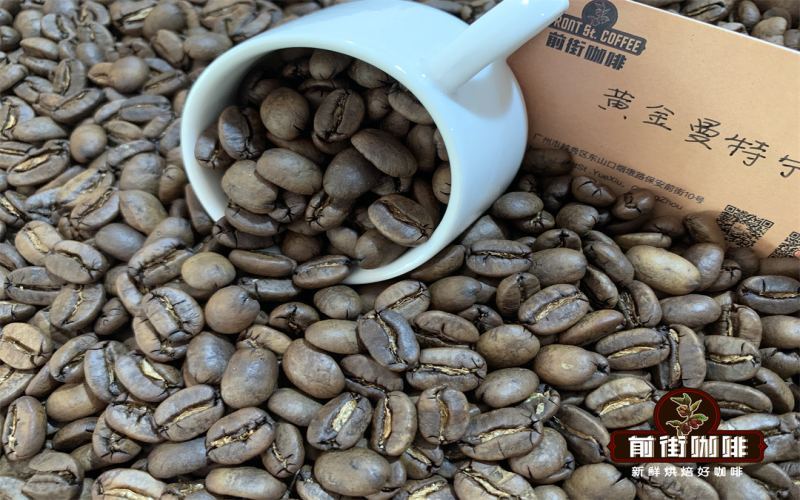
Sumatra is the core producing region for Mandheling coffee, with the northern Aceh Province and the Lintong area around Lake Toba in the central-southern part each offering distinct characteristics. Aceh's main producing area centers on the Gayo Mountains surrounding Lake Tawar, while Lintong lies on the southwestern side of Lake Toba and focuses on Indonesian specialty coffee. High altitude, fertile soil, and proximity to lakes combine to create Mandheling's rich, full-bodied flavor. This article will guide you through the terroir differences between these two major producing regions, as well as well-known origins such as Lintongnihuta, Sidikalang, and Doloksanggul in the Lake Toba area and Takengon in the Gayo region, while also introducing Front Street Coffee's selected Mandheling products. [more…]
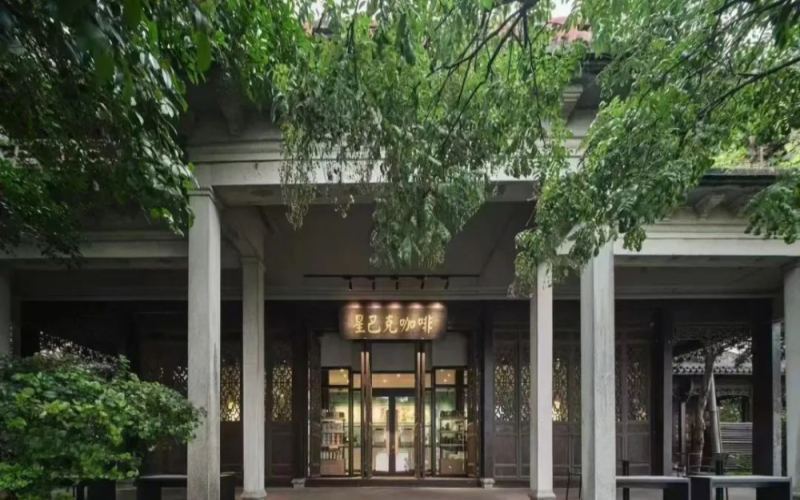
Starbucks Takes Over Former COSTA Site at West Lake, Red-and-White Signage Replaced with the Siren, Sparking Heated Discussion
A quaint shop on Gushan Road by West Lake recently put up a Starbucks sign, though the location was originally the COSTA Xiling store. After COSTA moved out in August this year, Starbucks quickly took over this prime spot, incorporating Chinese elements into the store design, drawing tourists and locals to check in. Meanwhile, COSTA has been closing stores across many parts of the country, with only 393 stores remaining, far more closures than openings. What netizens once joked about—"Starbucks replacing COSTA"—has ironically come true, which is quite lamentable. Front Street Coffee reminds us that behind the brand turnover is a microcosm of rising rents in the West Lake commercial area and intensifying competition in the coffee market. [more…]
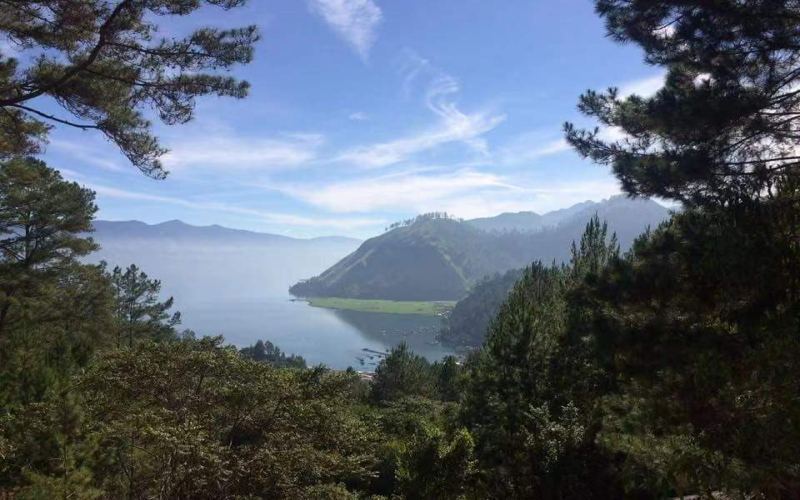
The Hometown of Sumatra Mandheling: An In-Depth Analysis of Aceh's Nagan Raya Regency and the Gayo Mountain Coffee Region
Fans of Front Street Coffee's Golden Mandheling are certainly no strangers to Indonesia's Sumatra producing region, where the coffee is renowned for its rich, complex roasted aromas, often featuring notes of caramel, spice, herbs, roasted hazelnut, and dark chocolate. This article starts from the overall landscape of Indonesian coffee, tracing the history and current state of Sumatra's two core producing regions—Lake Toba and Lake Tawar—with a focus on why the Gayo Highlands in Aceh have become Sumatra's finest coffee-producing area today, and explaining the origin of the name "Mandheling." The article also recommends two Mandheling coffees from the Front Street Coffee bean list—Lintong Mandheling and PWN Golden Mandheling—as well as the Front Street classic espresso blend, suitable for espresso machines and moka pots, helping enthusiasts choose according to their needs. [more…]

Snow Lake Capital Turns Bullish on Luckin: From Short-Selling Rumors to a Heavy Stake, an In-Depth Analysis of Luckin's Road to Recovery
Snow Lake Capital, once seen as the mastermind behind the short-seller report that exposed Luckin Coffee's financial fraud, is now loudly bullish on Luckin. Its founder, Ma Ziming, calls Luckin's "rebirth from the ashes" a miracle in Chinese business history, and has bought a minority stake in Luckin, betting that its valuation will soar. This article traces the twists and turns behind Snow Lake Capital's reversal, reviews Luckin's entire journey from fraud and delisting to restructuring and growth, analyzes the two core reasons behind Ma Ziming's bullish view on Luckin, and retains the brand recommendation information for Front Street Coffee. [more…]
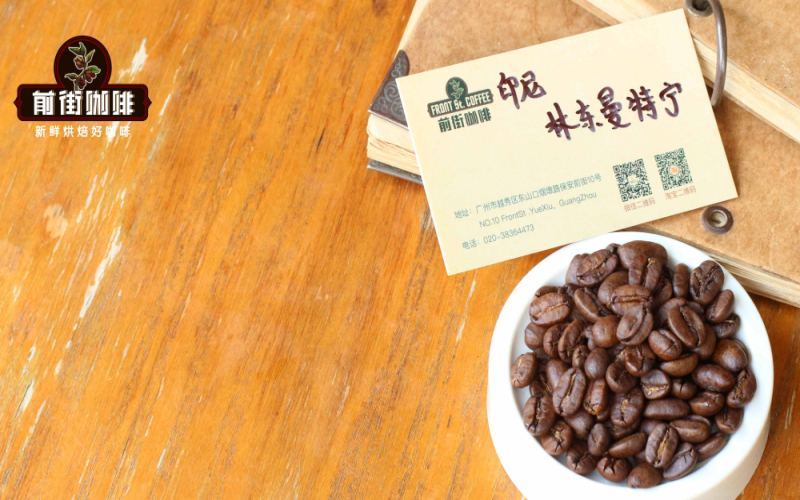
A Detailed Guide to Indonesian Sumatra Mandheling Coffee: Lake Toba and Java Origins, G1 Grade Flavor, Processing Methods, and Brewing Parameters
Mandheling coffee is famous for its rich and intense flavor, but truly high-quality Mandheling is by no means limited to a monotonous bitterness. Starting from the origin, this article sorts out the relationship between the two major Mandheling-producing regions, Lake Toba and Java, analyzes the differences between Front Street Coffee Lintong Mandheling and Front Street Coffee PWN Golden Mandheling in variety, processing method, and flavor, and explains how Indonesia's unique wet-hulling process shapes Mandheling's signature herbal and dark chocolate notes. At the end, it includes Front Street Coffee's pour-over parameter recommendations for Mandheling, making it suitable reading for enthusiasts who want to gain a deeper understanding of Indonesian specialty coffee. [more…]
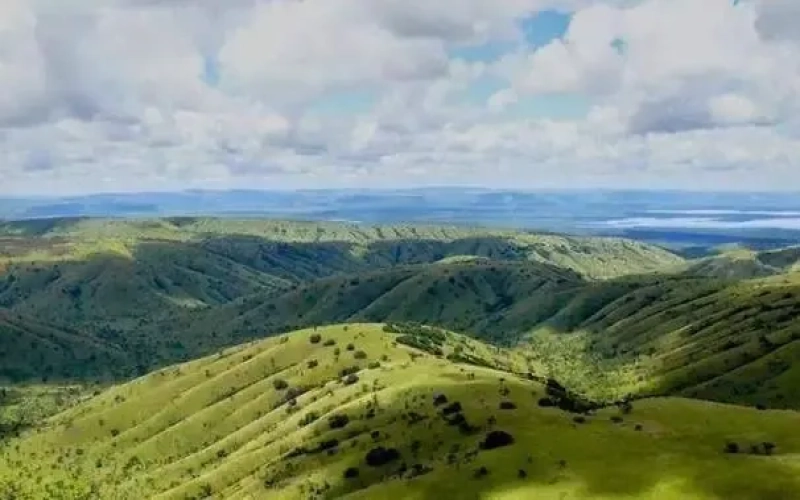
Rwanda's Lake Kivu Coffee Region: From Historical Turmoil to the Rise of Specialty Coffee
Rwanda, an East African highland country known as the "Land of a Thousand Hills," is claiming an increasingly important place on the global specialty coffee map. From coffee's introduction in 1904, to the post-1994 genocide effort to revive the economy through coffee, to breaking into the specialty market through the Cup of Excellence, Rwandan coffee has traveled an extraordinary road. Among its regions, the Lake Kivu production area—with its unique lake-and-volcano microclimate and benchmark washing stations such as Twumba—has become the emblem of Rwandan specialty coffee. This article takes you deep into the terroir code of the Lake Kivu region, along with related product information recommended by Front Street Coffee. [more…]

Hangzhou West Lake Vinegar Fish Coffee Sparks Debate: Charcoal Latte Meets Apple Cider Vinegar—Local Flavor Innovation or Culinary Nightmare?
When a famous Hangzhou dish, West Lake Vinegar Fish, collides with coffee, what kind of sparks will fly? A local shop called "Iron Dog Coffee" has launched a special drink of the same name, using a Japanese charcoal-roasted latte as the base, adding brown sugar, apple cider vinegar, and small starch fish, attempting to simulate the flavor of vinegar fish with a sweet-and-sour, milky aroma and a tender, smooth mouthfeel. This drink, priced at 28 yuan, or 19.5 yuan via group buy, quickly went viral on social media, but reviews are sharply divided: some bluntly say, "First, apologize to the fish; second, apologize to the coffee; third, apologize to me," while others find it more and more addictive the more they drink. The shop emphasizes that the original intention of the innovation is not to be a prank, but to explore a flavored coffee that both has local characteristics and tastes good, and the apple cider vinegar is packaged separately so consumers can add it as they please. [more…]